
 NBA Accredited
 ISO 9001:2015
 NIRF
NIRFEAMCET/ICET CODE: CRIT

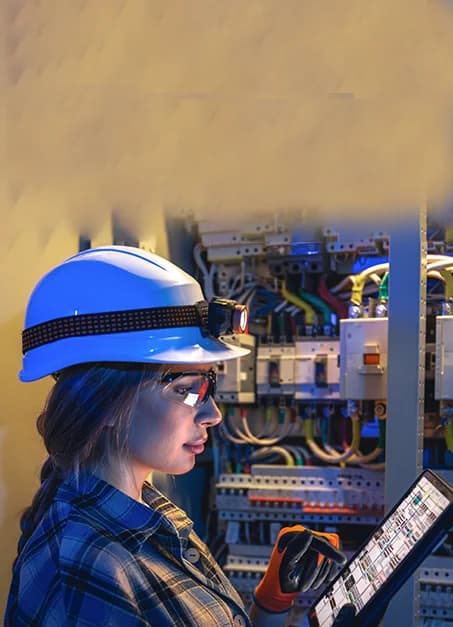
Electrical & Electronics Engineering
Powering Innovation Through Electrical & Electronic Excellence
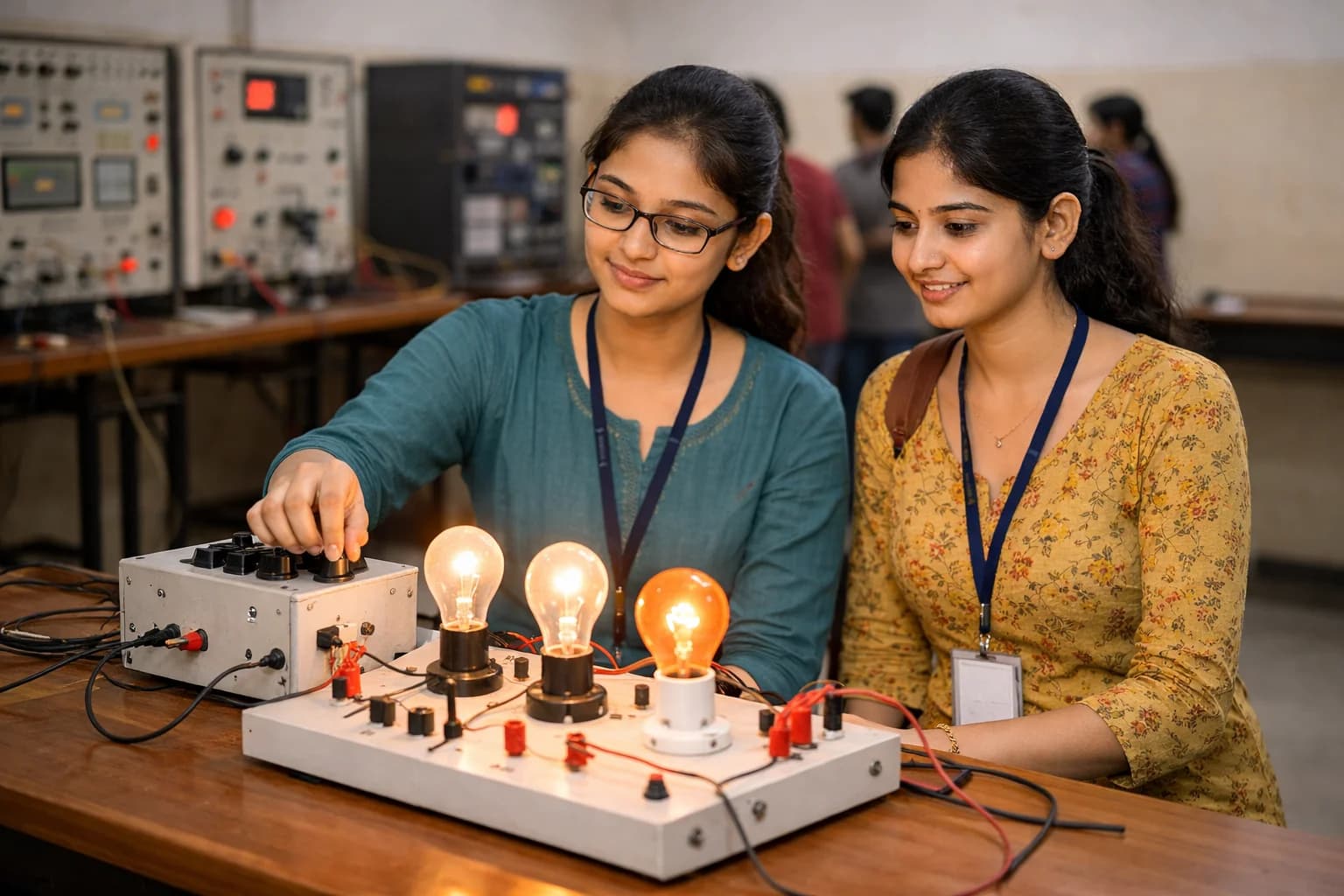
Electrical & Electronics Engineering (EEE)
About Electrical & Electronics Engineering
The Department of Electrical & Electronics Engineering (EEE) is committed to providing quality technical education and developing skilled engineers in the field of electrical and electronic technologies. The B.Tech program in Electrical & Electronics Engineering is designed to build strong foundational knowledge in electrical circuits, electronics, power systems, and control engineering, enabling students to understand and apply modern engineering concepts.
The curriculum focuses on core areas such as Electrical Machines, Power Systems, Power Electronics, Control Systems, and Industrial Drives. Along with theoretical knowledge, the program emphasizes practical learning through well-equipped laboratories, technical projects, and hands-on training, helping students develop analytical and problem-solving skills required in real-world electrical engineering applications. Through seminars, workshops, internships, and project work, students gain exposure to modern tools and emerging trends, preparing them for successful careers in power industries, automation, manufacturing, and research sectors.
Electrical Engineering at a Glance
Building future engineers with expertise in electrical systems, smart technologies, and industrial applications
0
Intake
0+
Advanced Labs
0 LPA
Highest Package
0+
Faculty
Labs & Facilties
Meet our distinguished faculty members who bring expertise and excellence to every classroom.
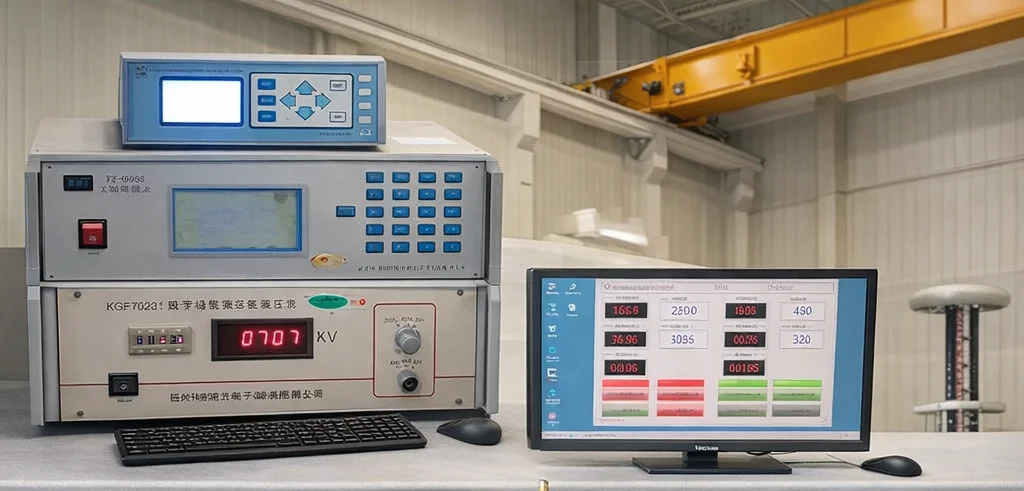
Electrical Machines Lab
The Electrical Machines Labs provides hands-on experience with transformers, DC machines, and AC machines, enabling students to understand their operation, and performance characteristics.
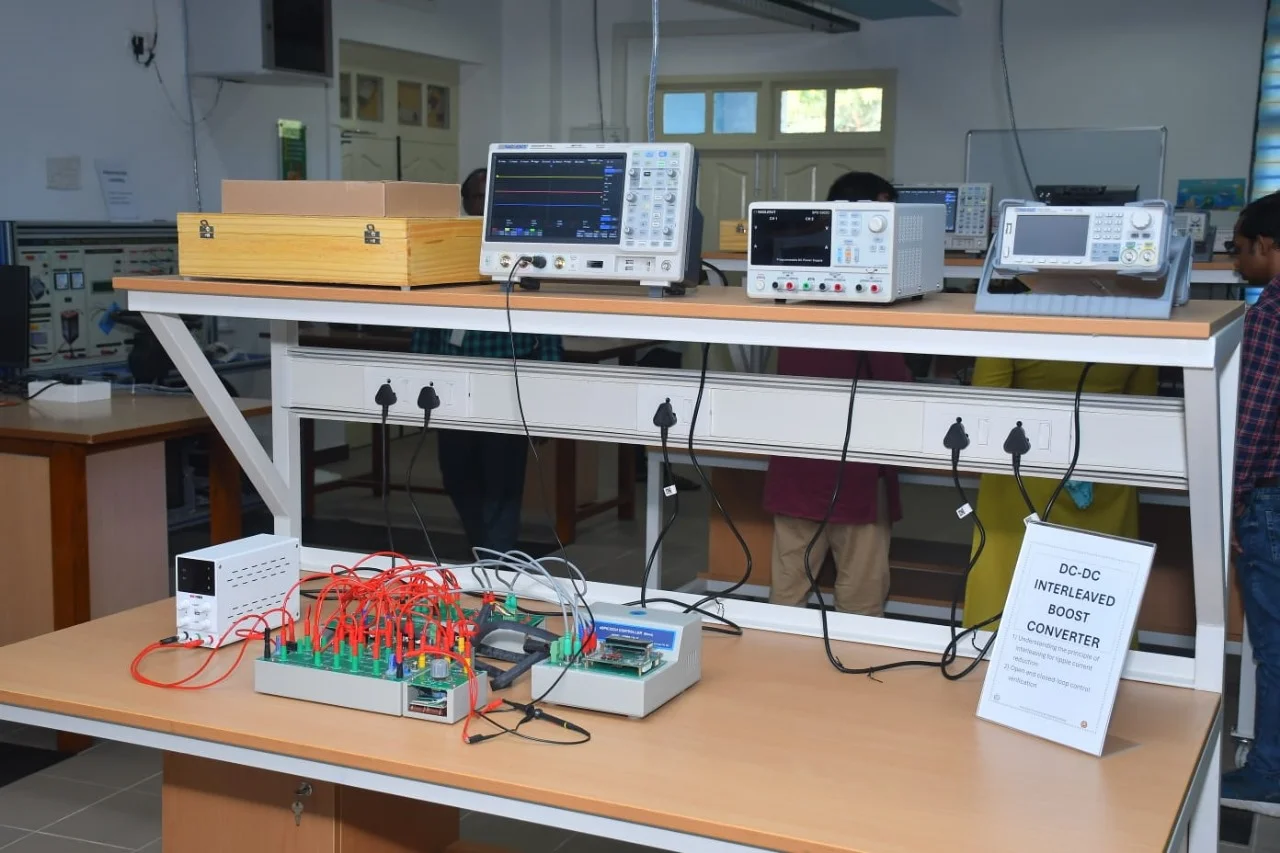
Power Electronics Lab
This laboratory focuses on the study of power semiconductor devices, converters, inverters, and choppers, helping students gain knowledge in power control and energy conversion techniques.
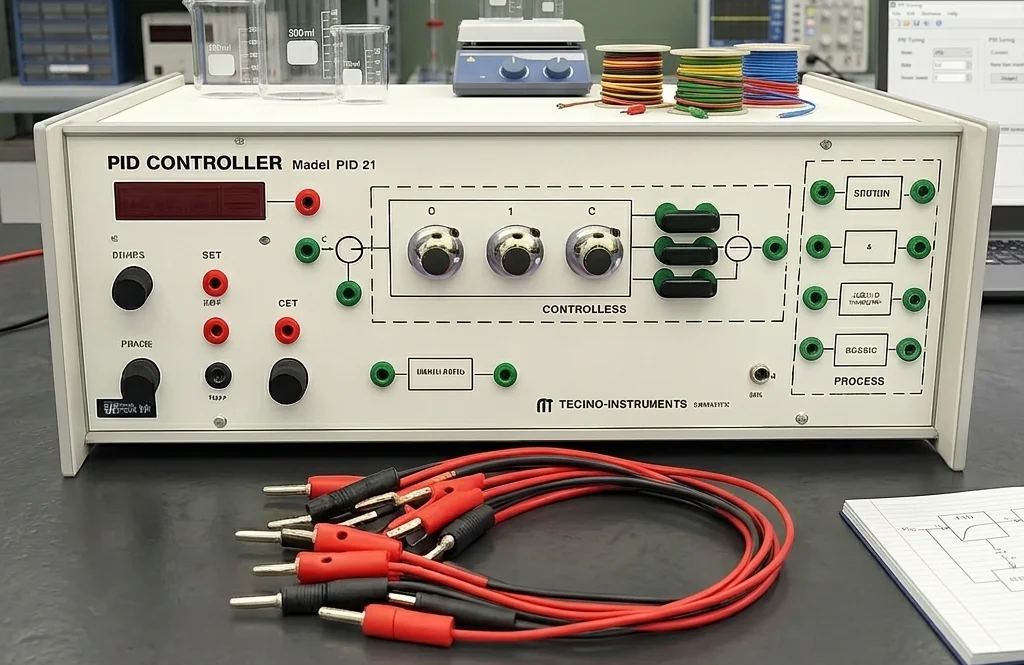
Control Systems Lab
The Control Systems Laboratory allows students to analyze and design control systems using modern tools and techniques, emphasizing system stability, feedback, and automation.
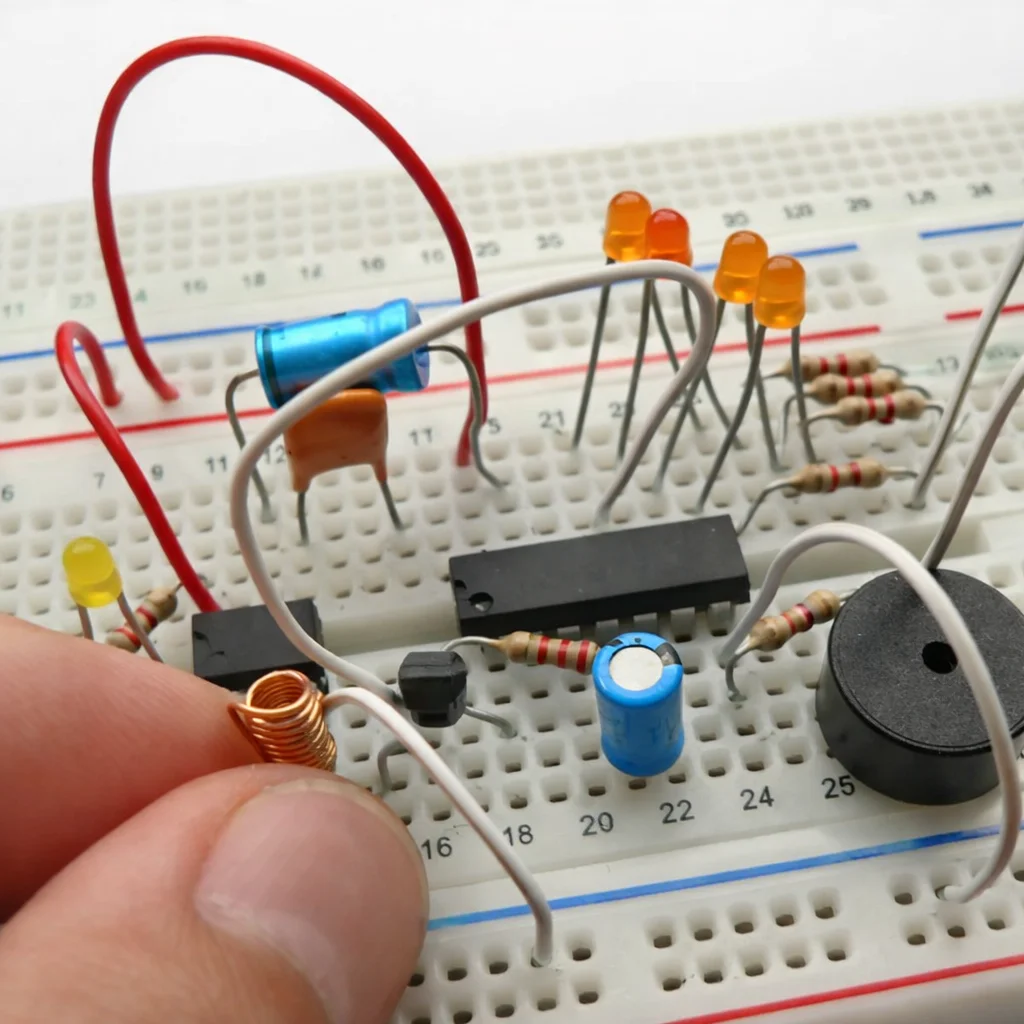
Electrical Circuits Lab
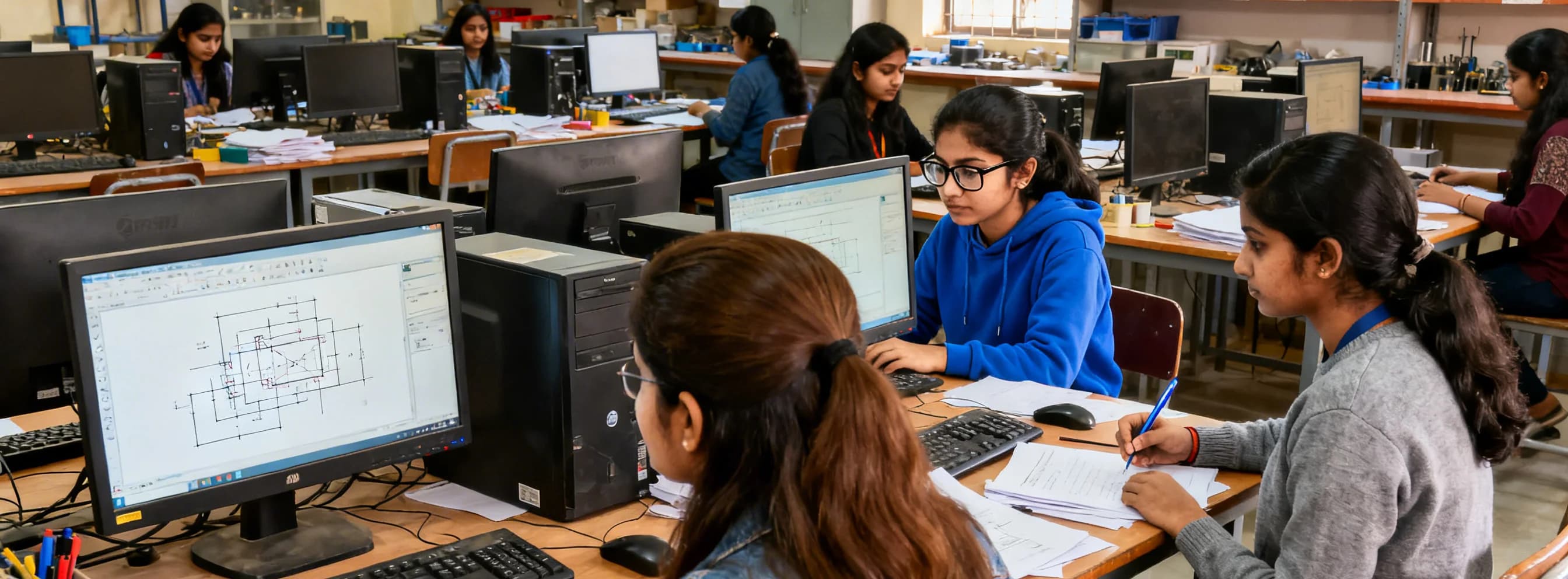
This lab strengthens the fundamentals of electrical engineering by providing experiments on circuit laws, network theorems, and analysis of AC/DC circuits.
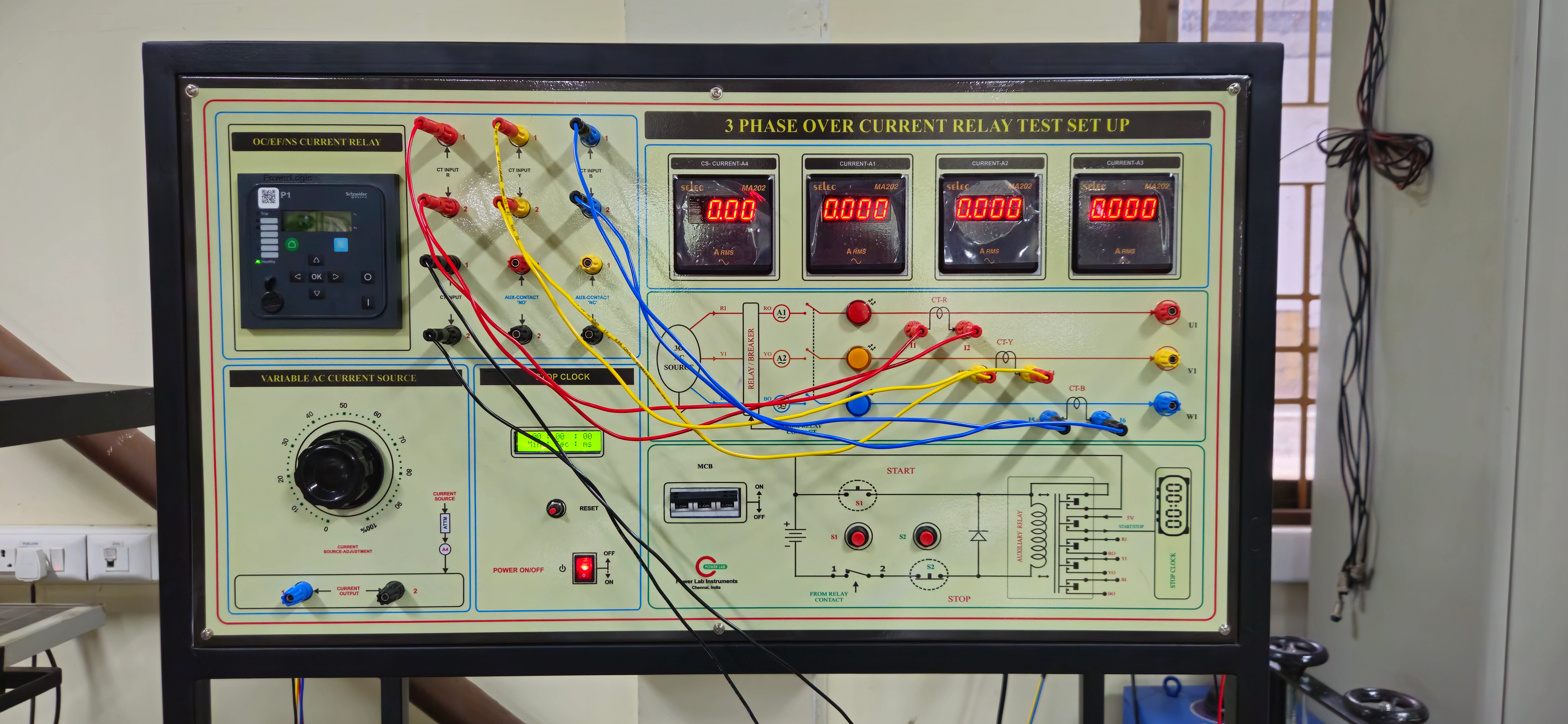
Power Systems Lab
The Power Systems Laboratory offers practical exposure to generation, transmission, and distribution concepts, including fault analysis and protection systems.
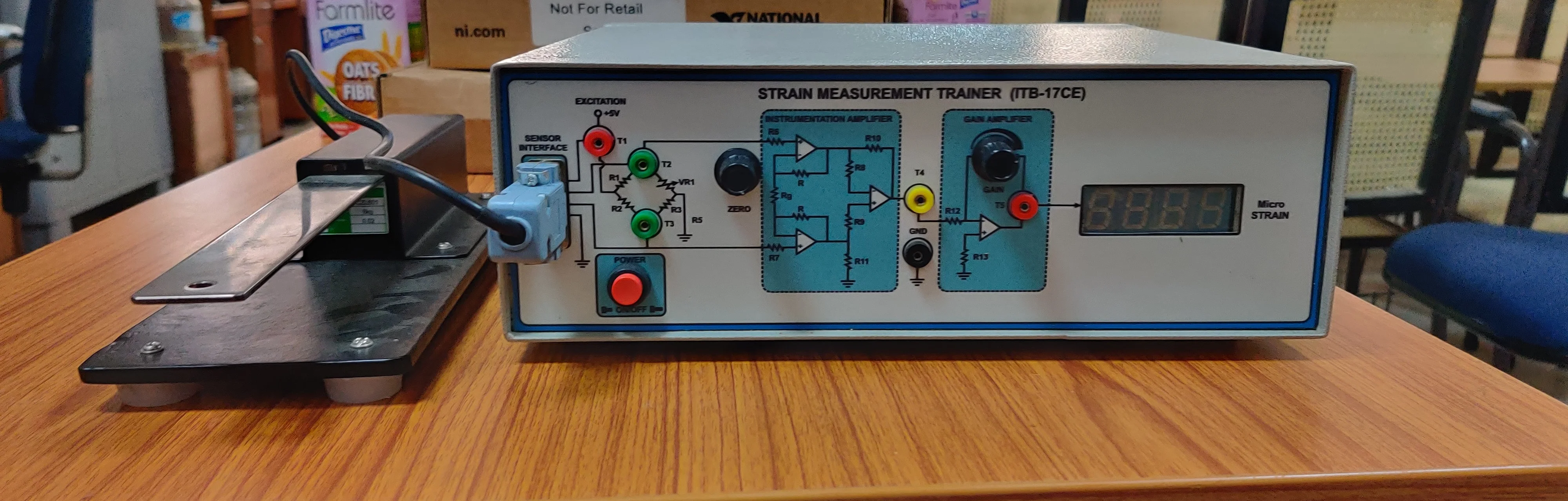
Measurements & Instrumentation Lab
This lab helps students understand electrical measurements, sensors, and instrumentation techniques used in monitoring and controlling electrical systems.
Campus & Student Life
Explore our comprehensive range of undergraduate and postgraduate programs




Academic Regulations & Guidelines
Our students consistently push boundaries, bringing pride to the institution on every stage.
Join Our Family
Join CRIT & Begin Your Journey
Towards Engineering Excellence & Growth As Engineer
Apply Now